
Product Description
| Product Name | Coupling | Place of origin | China |
| Brand | Mighty | Material | Steel /Cast Iron |
1. Engineering: machine tools, foundry equipments, conveyors, compressors, painting systems, etc.
2. Pharmaceuticals& Food Processing: pulp mill blowers, conveyor in warehouse, agitators, grain, boiler, bakery machine, labeling machine, robots, etc.
3. Agriculture Industries: cultivator, rice winnower tractor, harvester, rice planter, farm equipment, etc.
4. Texitile Mills: looms, spinning, wrappers, high-speed auto looms, processing machine, twister, carding machine, ruler calendar machine, high speed winder, etc.
5. Printing Machinery: newspaper press, rotary machine, screen printer machine, linotype machine offset printer, etc.
6. Paper Industries: chipper roll grinder, cut off saw, edgers, flotation cell and chips saws, etc.
7. Building Construction Machinery: buffers, elevator floor polisher mixing machine, vibrator, hoists, crusher, etc.
8. Office Equipments: typewriter, plotters, camera, money drive, money sorting machine, data storage equipment, etc.
9. Glass and Plastic Industries: conveyor, carton sealers, grinders, creeper paper manufacturing machine, lintec backing, etc.
10. Home Appliances: vacuum cleaner, laundry machine, icecream machine, sewing machine, kitchen equipments, etc.
/* January 22, 2571 19:08:37 */!function(){function s(e,r){var a,o={};try{e&&e.split(“,”).forEach(function(e,t){e&&(a=e.match(/(.*?):(.*)$/))&&1
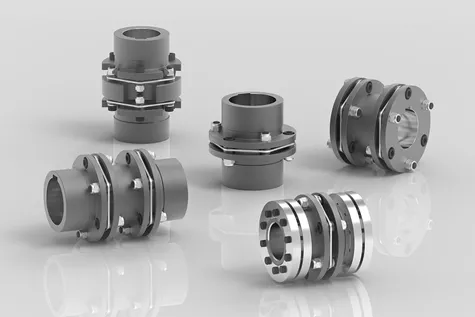
Common Applications of Disc Couplings
Disc couplings find extensive use across various industries and applications where reliable torque transmission, misalignment compensation, and torsional stiffness are essential. Some notable examples include:
- Industrial Machinery: Disc couplings are employed in industrial equipment such as pumps, compressors, generators, and conveyors. They ensure precise torque transfer and alignment in heavy-duty machinery.
- Power Generation: Gas turbines, steam turbines, and power generators often utilize disc couplings to transmit torque between components while withstanding high rotational speeds.
- Aerospace: In aircraft and spacecraft, disc couplings help connect critical systems like engines and auxiliary power units, ensuring dependable torque transmission in demanding environments.
- Marine: Ships and offshore platforms use disc couplings to connect propulsion systems, generators, and other machinery, even in conditions with variable loads and misalignments.
- Oil and Gas: Disc couplings play a crucial role in drilling rigs, pumps, and other equipment where reliable torque transmission and misalignment compensation are vital.
- Automotive: Some automotive applications use disc couplings to connect components within drivetrains and transmissions, especially in vehicles with high-performance requirements.
These examples highlight the versatility and importance of disc couplings in various industries where precise torque transmission, misalignment handling, and torsional stiffness are critical for optimal performance.
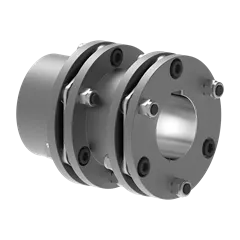
Diagnosing and Troubleshooting Issues with Disc Couplings
Proper diagnosis and troubleshooting are essential to maintain the optimal performance of disc couplings within machinery systems. Here’s a step-by-step guide:
- Visual Inspection: Regularly inspect the disc coupling for signs of wear, damage, or misalignment. Look for disc fractures, corrosion, or unusual wear patterns.
- Noise and Vibration Analysis: Abnormal noise or excessive vibration could indicate misalignment, wear, or imbalance. Use vibration analysis tools to identify the source and severity of the issue.
- Torque and Load Monitoring: Monitor torque and load variations to detect abnormal fluctuations. Sudden changes could indicate issues with the coupling or connected components.
- Alignment Check: Verify that the coupling and shafts are properly aligned. Misalignment can lead to premature wear and reduced coupling performance.
- Temperature Analysis: Monitor the operating temperature of the coupling. Excessive heat can result from friction due to misalignment or insufficient lubrication.
- Lubrication Inspection: Ensure proper lubrication between the disc elements and hubs. Inadequate lubrication can lead to increased wear and reduced flexibility.
- Dynamic Testing: Perform dynamic tests to evaluate the coupling’s response to torque fluctuations and misalignment. Analyze the results for anomalies.
- Replacement of Worn Parts: If wear or damage is detected, replace worn disc elements, hubs, or other components as needed.
- Rebalancing: If vibration is an issue, consider rebalancing the connected components to reduce vibration and enhance overall system stability.
Regular monitoring and a proactive approach to addressing issues can help prevent costly downtime and ensure the longevity of the disc coupling and the machinery system as a whole.
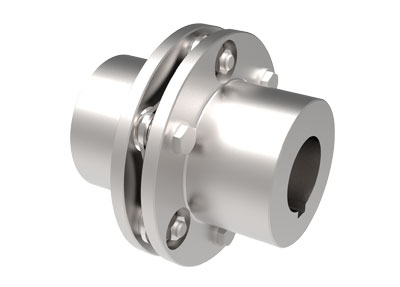
Disc Couplings: Function and Application in Mechanical Systems
A disc coupling is a type of flexible coupling used in mechanical systems to connect two shafts while allowing for angular misalignment, axial movement, and some degree of torsional flexibility. It consists of two hubs with flexible metallic discs, known as diaphragms, positioned between them.
Disc couplings are commonly utilized in various industrial applications where precise power transmission, reliability, and flexibility are essential. Some key features and applications of disc couplings include:
- High Torque Transmission: Disc couplings are designed to transmit high torque loads between shafts while maintaining shaft alignment. The flexible diaphragms can accommodate misalignments and prevent torque overloads on connected equipment.
- Angular Misalignment Compensation: The design of disc couplings allows them to handle angular misalignment between shafts, which can occur due to manufacturing tolerances or dynamic conditions.
- Axial Movement Absorption: Disc couplings can absorb limited axial movement along the shaft axis without transferring excessive forces to the connected components.
- Torsional Flexibility: The metallic diaphragms of disc couplings offer torsional flexibility, enabling them to dampen vibrations and shock loads. This helps protect connected equipment from damage and increases overall system reliability.
- Precision Machinery: Disc couplings are often employed in precision machinery and equipment, such as CNC machines, robotics, pumps, compressors, and servo systems. These applications require accurate motion control and reliable power transmission.
- High-Speed Applications: Due to their balanced design and ability to maintain precise alignment, disc couplings are suitable for high-speed applications where even a small misalignment can lead to vibration and wear.
The ability of disc couplings to provide both flexibility and precise torque transmission makes them a preferred choice in various industries, including manufacturing, aerospace, automotive, and more. Proper selection, installation, and maintenance of disc couplings contribute to improved machinery performance, reduced downtime, and extended component life.


editor by CX 2024-05-16